NATO LCM Conference & Exhibition
We are looking forward to attending this annual event again. The theme for 2026: Cooperating for Capability Life Cycle Management – The Key Enabler from Investment to Combat Power. As NATO and its allies navigate the evolving security landscape in Europe, Life Cycle Management (LCM) emerges as a cornerstone of effective defense strategies. Join Systecon at the 21th NATO LCM Conference as we explore the future of defense capabilities.
Don’t miss our presentation on January 20, 2026, at 15:30, where we will elaborate on "Modelling and Analysis for Successful LCM in Cooperative Programs". Make sure to also stop by the Systecon booth to discuss analysis-driven LCM solutions and engage with our team.
Event info
Date
Emplacement
Holiday Inn, Brussels
Booth Number
2
Systecon on the Agenda
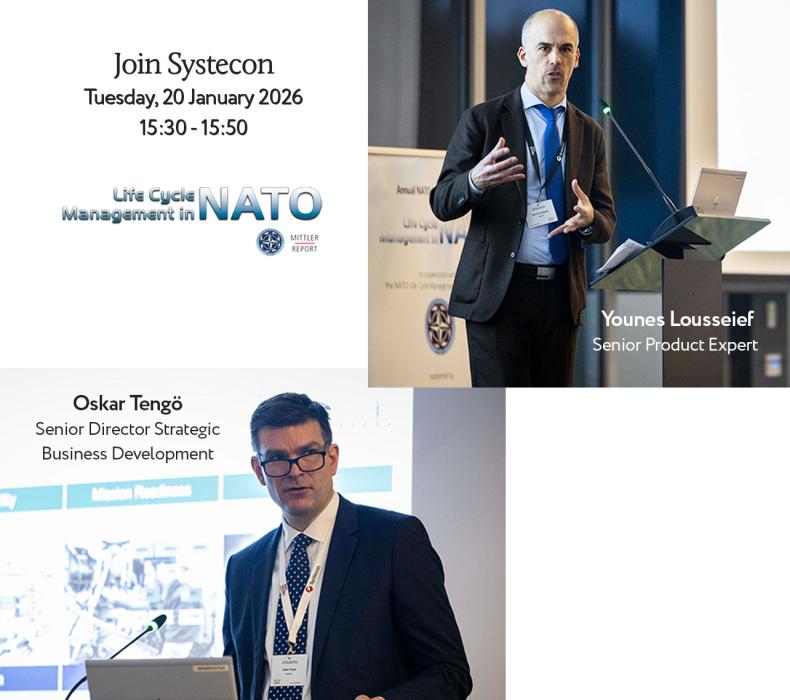
Date: Tuesday, 20 January 2026
Time: 15.30 - 15.50
Speakers: Younes Lousseief and Oskar Tengö, Systecon, Sweden
Title: Modelling and Analysis for Successful LCM in Cooperative Programs
Don't miss our presentation - On January 20, 2026, at 15:30, join Systecon's session featuring speakers Younes Lousseief and Oskar Tengö.
Multinational defence programmes play a critical role in strengthening capability, readiness and resilience across NATO and partner nations. However, joint development, procurement, and sustainment introduce significant complexity, with multiple stakeholders, national requirements, and operational priorities to balance. This session explores how modelling and analysis can support successful Life Cycle Management (LCM) in cooperative programmes. By applying data-driven methods, defence organisations can align objectives, manage responsibilities, design robust logistic support and make informed decisions that improve readiness, mission effectiveness and long-term sustainability across both joint and national contexts.
Representatives
Younes Lousseief
Senior Consultant
Send an e-mail
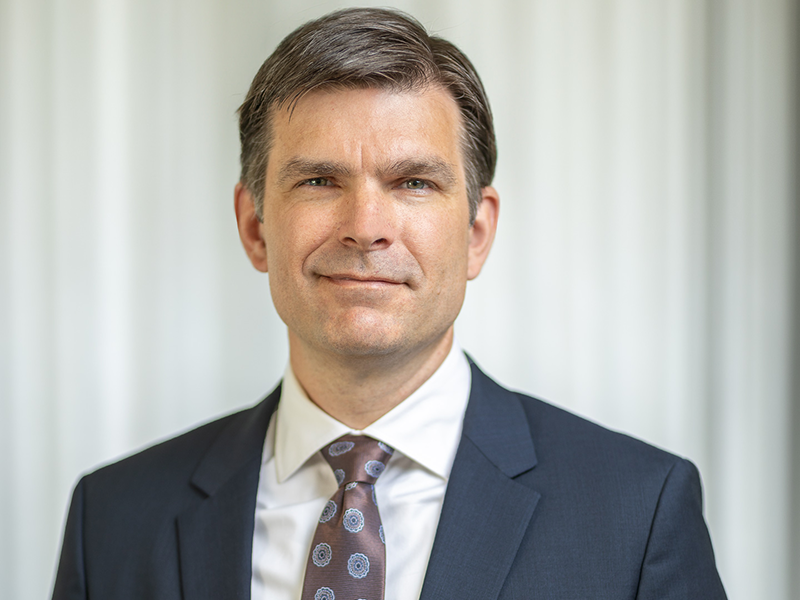
Oskar Tengö
Senior Director
Send an e-mail
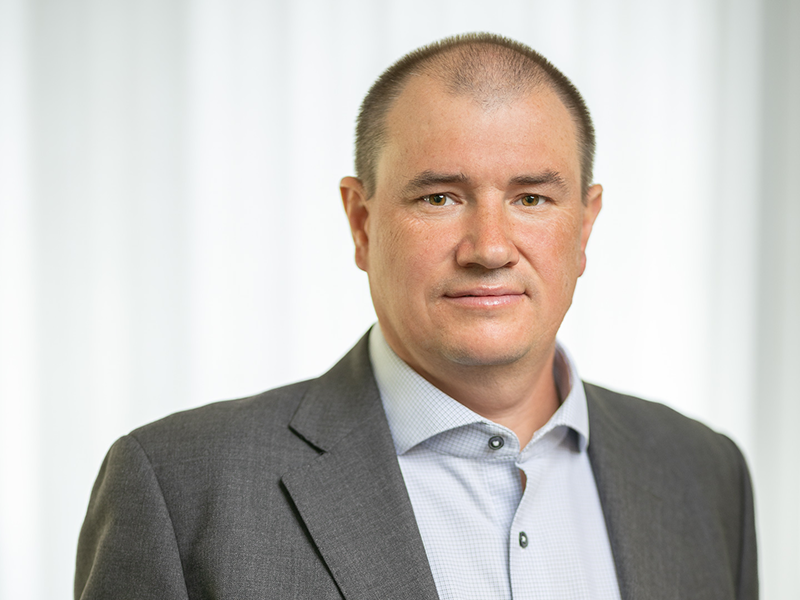
Anders Carlsson
Chief Executive Officer
Send an e-mail
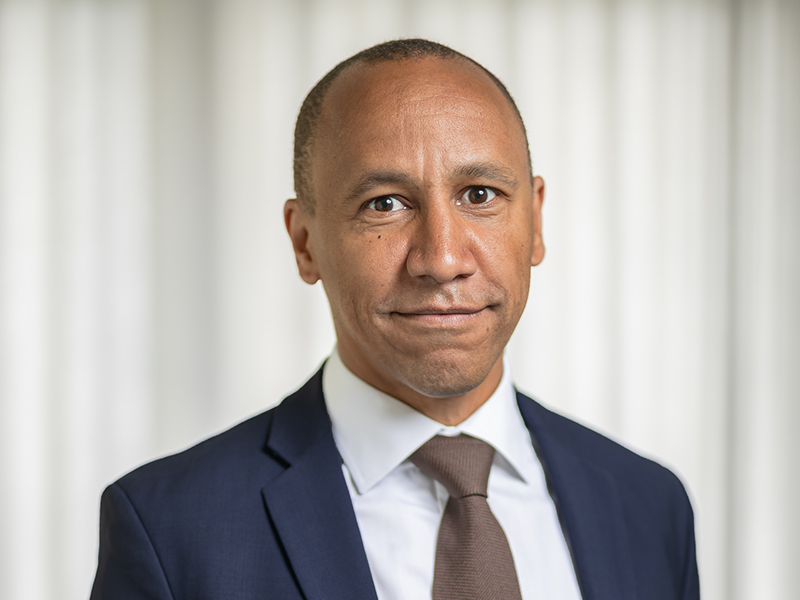
Markus Onyango
Vice President - Business Development
Send an e-mail
Andreas Öwre Kurzeja
Director Business Development
Send an e-mail

Csilla Laluk Settergren
Global Marketing Manager
Send an e-mail
Heiko Großmann
Managing Director & Owner of AltenBachControl / Systecon Deutschland
Send an e-mail
Ludwig Lennartz
Consultant, AltenBachControl / Systecon Deutschland
Send an e-mail
Scope of the Conference
The last year has seen nations across Europe scramble to increase their military capabilities, strength, and readiness against a backdrop of emerging threats, uncertainties, and reevaluation of existing relationships. Speed is of the essence, and ambitious plans and investments of heretofore unseen dimensions are being announced. New partnerships and modes of cooperation are being formed, and old ones are reinforced and reinvigorated, between governments and between governments and industry.
Operational Availability of Systems is one of the key elements of NATO’s Life Cycle Management objectives. Standardization is a means to achieve Interoperability between and among NATO nations and their industries. NATO AC/327 is following and building standardization on ISO/IEC 15288 and additional widely accepted international standards and specifications. NATO’s AAP-20, AAP-48, as well as the following standards, like ALP-10, provide a framework to support the whole life cycle of systems and systems of systems/systems of sub-systems in an optimized and interoperable way.
Clear interfaces between stakeholders can be defined to set up and implement interoperability on the maintenance & support level in addition to interoperability on the capability level, next to ensuring quality, analyzing life cycle costs, including engineering and configuration management, and to set up and support business models.
The conference looks at how these plans and investments turn into actual combat power in the hands of the warfighter.