Inventory Optimization & Supply Planning
Optimize Your Inventory. Reduce Costs Increase Readiness.
Effective inventory optimization and resource planning is about managing complexity while making the best possible use of limited sustainment budgets. Consider a fighter aircraft fleet deployed across multiple bases and expected to operate at its required operational tempo. Decision-makers must ensure the optimal deployment of spare parts and logistics resources at each location to minimise fleet downtime and thus assure fleet readiness levels, without tying up excessive capital in inventory or driving unnecessary sustainment costs.
The core challenge is selecting the most effective sustainment and inventory strategy within the available budget. Organizations must balance operational readiness, risk, and cost when deciding what to stock, where to stock it, and how to respond to changing operational demands. Without clear insight into these trade-offs, inventory and support resource levels and location decisions can lead to reduced fleet operational availability, higher lifecycle costs, or unresilient supply chains.
The Challenge
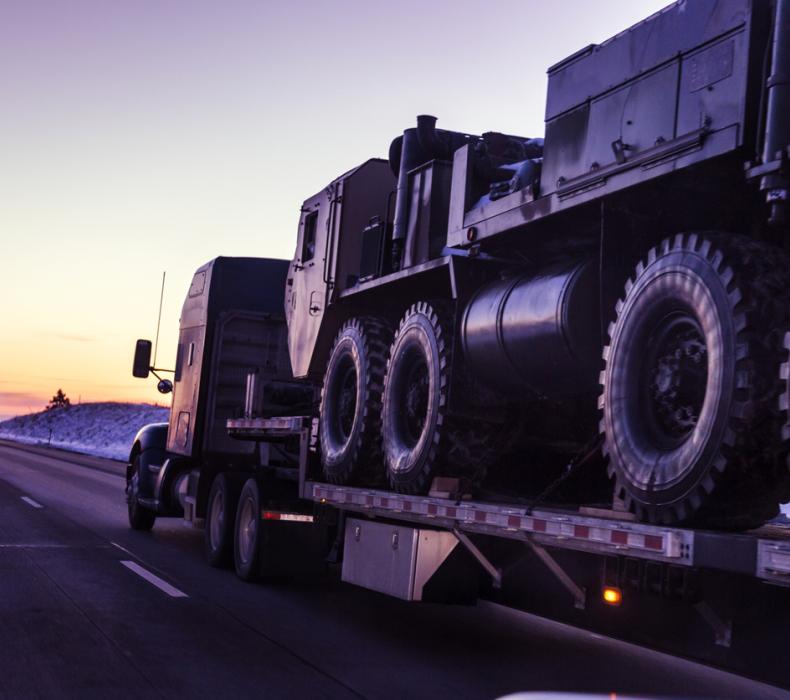
Optimizing the ranges, scaling, pooling strategy and procurement timing of spare parts and other sustainment resources across the fleet lifecycle is critical to sustaining and balancing fleet operational performance and cost control.
Key pain points:
- Inefficient spares planning causing overstocking or stockouts. Without a holistic view of spare parts demand across systems and locations, organizations risk overstocking in some locations while experiencing critical shortages in others.
- Difficulty balancing costs with availability KPIs. It is challenging to understand how individual inventory decisions affect availability targets, lifecycle cost and operational risk.
- Challenges in identifying downtime drivers. Complex and geographically dispersed systems, large sustainment networks, diverse operational environments, and multiple different functional stakeholders make it difficult to determine what truly drives downtime and reduces system availability.
Managing shortages or new operational scenarios. Planning for shortages, supply disruptions or changing operational tempos is difficult without understanding how strategies such as pooling, redistribution or cannibalization affect availability and lifecycle cost.
Our Approach
With over 50 years of collaboration with defense operators and manufacturers, Systecon has developed a proven methodology for enabling the delivery of spares and resources inventory that are cost optimized to deliver the required fleet operational readiness. This approach combines lifecycle cost analysis, advanced modeling and scenario based planning.
How We Solve It:
Optimization & Sizing: Calculating optimal stock and resource levels for each site to balance cost and operational fleet readiness.
Performance validation: Simulating realistic and varying operational tempos, studying the effectiveness of the inventory and supply planning in supporting this, and identifying the causes of unwanted support bottle neck and under resilience.
Risk Mitigation: Identifying critical drivers of downtime related to system reliability, logistics constraints and resource availability, and evaluating potential mitigation strategies.
Scenario evaluation: Modeling complex operational scenarios to assess system capability and availability under different conditions, including degraded operational states where systems remain capable of performing most tasks but with reduced capability.

Scenario in Action – Inventory Optimization & Planning
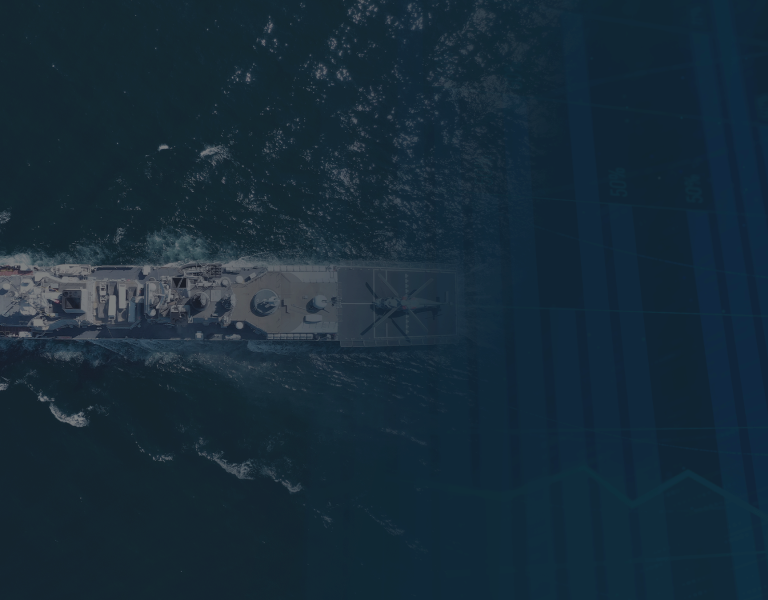
A leading NATO naval systems OEM and its defense customer need to develop a fleet wide sustainment strategy for a new multi role frigate program. The program included strict availability KPIs, performance based logistics incentives and readiness requirements across multiple operational theaters, all within tight cost constraints.
How Opus Suite+ Could Help:
- Forecasting & RSPL Validation: Simulate mission driven consumption to validate provisioning lists and recommended spare parts lists.
- Inventory Optimization: Identify the optimal mix of spare parts that balances cost, risk and readiness.
- Scenario Planning: Model peacetime, surge and crisis deployments to support resilient provisioning and inventory strategies.
- Lifecycle Cost Insights: Evaluate the long-term financial impact of spares strategies.
Potential Outcomes:
- Lower inventory holding costs while maintaining high availability at forward deployed sites.
- Improved resilience to supply chain disruptions and surge demands.
- Better alignment with performance based logistics KPIs and contractual availability targets.
Potential Value Delivered:
- Reduced inventory costs.
- Improved availability at critical locations.
- Greater resilience in surge and crisis scenarios.
- Stronger alignment with availability and performance based support objectives.
Opus Suite
Trusted by thousands of users globally to provide decision support for LCM.
This is a selection of reference case studies from some of the many Opus Suite clients.


Vattenfall and Scottish Power - Availability Analysis for the East Anglia Wind Energy Project.


Stockholm Public Transport Administration - Maintenance Optimization of Commuter Trains.


Royal Thai Air Force - Education in Logistic Analysis.
Read more about Royal Thai Air Force - Education in Logistic Analysis


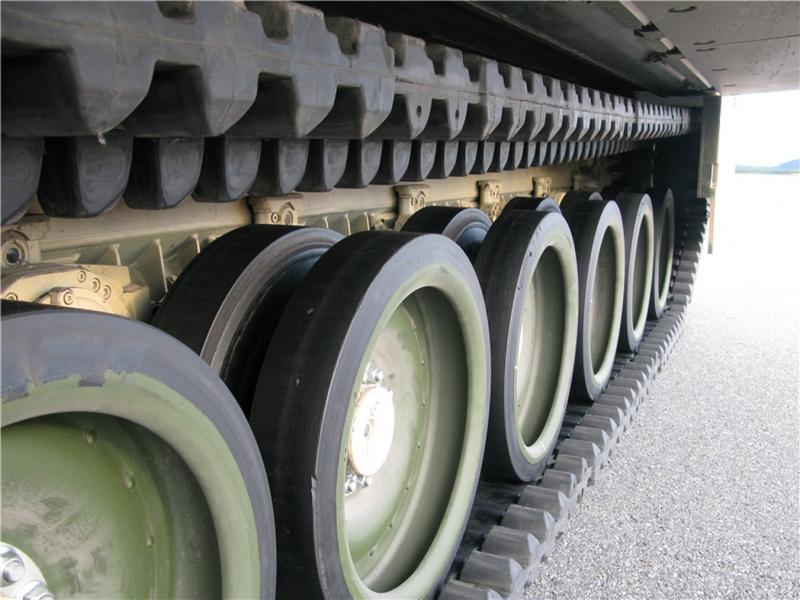
BAE Systems - Life Cycle Cost Analysis of Combat Vehicle 90.
Read more about BAE Systems - Life Cycle Cost Analysis of Combat Vehicle 90
Find out more about the decision support Opus Suite+ can provide to your organization.