Defense and Aerospace Sustainment Optimization for U.S. Programs
U.S. defense and aerospace sustainment programs are measured by mission capable rates, operational availability, and total ownership cost across systems with 30-year operational lives. Opus Suite supports these decisions with LORA (Level of Repair Analysis), readiness-based sparing, performance-based logistics modeling, and life cycle cost analysis in a single analytical environment aligned to DoD product support frameworks. It is used by the U.S. Air Force, U.S. Navy, and U.S. Air Mobility Command, and across U.S. programs including F-35 sustainment, the C-17 program, and AMDR availability and maintainability analysis. Opus Suite is also used by the majority of defense forces within NATO and allied nations, across air, land, and naval domains.
Optimize Mission Readiness and Fleet Availability
Defense aviation programs must balance operational readiness, affordability, and long-term sustainment performance in increasingly dynamic operational environments.
Opus Suite enables organizations to analyze and optimize:
- Aircraft readiness and availability
- Fleet sustainment strategies
- Maintenance planning and resource allocation
- Spare parts and inventory optimization
- Performance-based logistics contracts
- Life cycle cost and affordability
- Logistics support ramp-up and phase-out
- Readiness-based sparing strategies
Using simulation-based analytics, organizations can evaluate trade-offs between cost, readiness, and operational performance to support more informed sustainment decisions.
Trusted Across Global Aerospace & Defense Programs
Opus Suite supports decision-making across some of the world’s most advanced aerospace and defense programs.
Fixed Wing Programs
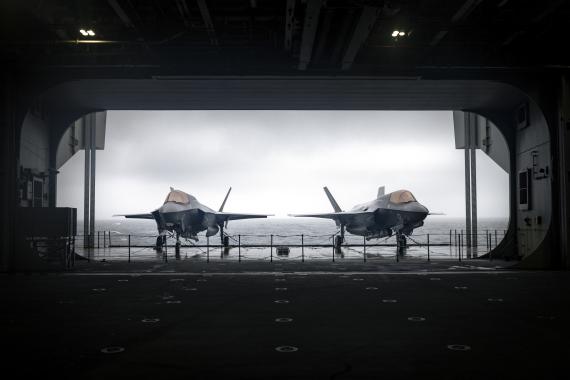
Eurofighter Typhoon, GCAP, F-35, F/A-18, F-22, F-15, Gripen, Rafale, T-50, Tornado, A400M, C-17, C-27J, C-130, and GlobalEye.
Rotary Wing Programs
AH-64, AW109, CH-47, CH-53, H125, H145, MK88, NH90, and UH-60.
Key Aerospace & Defense Application Areas
Aircraft Sustainment Optimization
Improve fleet availability and readiness through optimized sustainment planning and logistics analysis.
Maintenance Concept Optimization
Evaluate maintenance strategies and optimize repair policies using advanced LORA-based analysis.
Readiness-Based Sparing
Optimize spare parts inventories to maximize operational readiness while minimizing sustainment costs.
Performance-Based Logistics (PBL)
Design and evaluate PBL strategies using simulation-driven cost and readiness analysis.
Life Cycle Cost Analysis
Model affordability and through-life support costs across complex aerospace and defense programs.
Fleet Management & Logistics Planning
Support long-term sustainment planning, resource allocation, and operational decision-making.
Supporting Aerospace & Defense Organizations Worldwide
Systecon supports air forces, defense departments, and aerospace organizations globally, including programs and organizations across:
Australia, Brazil, France, Norway, Singapore, Spain, Sweden, Switzerland, Thailand, Turkey, the United Kingdom, and the United States.
Aerospace and defense industry clients include:
Airbus, BAE Systems, Boeing, Collins Aerospace, Dassault, Embraer, General Atomics, Leonardo, Lockheed Martin, MBDA, Northrop Grumman, Raytheon, Rolls-Royce, Saab, Safran, Thales, and many others.
Make Better Sustainment Decisions with Opus Suite
Opus Suite helps aerospace and defense organizations improve readiness, optimize sustainment strategies, and reduce life cycle costs through advanced analytics and simulation-based decision support.
Defense sustainment software: frequently asked questions
What is defense sustainment software?
Defense sustainment software is used to plan and optimize how military systems are supported once they are in service. It models spares, repair and maintenance concepts, support resources and costs so that programs can meet readiness targets such as mission capable rates and operational availability across a system's full service life.
What decisions does defense sustainment software support?
It supports decisions on how many spares to buy and where to stock them, where each item should be repaired or discarded (level of repair analysis, LORA), how maintenance should be organized, and what a support solution will cost over its life. Programs use it to compare options before committing budget.
How does Opus Suite+ support defense sustainment?
Opus Suite+ is Systecon's defense sustainment software. It combines readiness-based sparing, LORA, simulation of operations and maintenance, performance-based logistics modeling and life cycle cost analysis in one environment, aligned with DoD product support frameworks. Analysts can test sustainment options and see the effect on availability and cost before decisions are made.
What is readiness-based sparing?
Readiness-based sparing (RBS) sets spare part stock levels by their effect on system availability rather than by item demand alone. It finds the mix of spares across bases and depots that delivers the required readiness at the lowest cost, or the highest readiness for a given budget.
How does sustainment software help with performance-based logistics?
Performance-based logistics (PBL) contracts pay for outcomes such as availability. Sustainment software lets the government and industry model whether a support solution can meet the required outcome, what it will cost and where the risk sits. That gives both sides evidence for setting metrics and pricing the contract.
Does defense sustainment software work with LSA data?
Yes. Opus Suite+ can draw on logistics support analysis (LSA) data, including data structured to GEIA-STD-0007, MIL-STD-1388-2B and ASD S3000L, so sustainment analysis builds on the program's existing product support data rather than a separate dataset. [VERIFY: confirm supported import formats with product team]
Which U.S. programs use Systecon's sustainment software?
Systecon's software is used by the U.S. Air Force, the U.S. Navy and Air Mobility Command. Programs supported include fixed wing aircraft such as the F-35 and C-17, and rotary wing platforms such as the AH-64, CH-47 and UH-60. [VERIFY: confirm each program can be named publicly]

Find out more about the decision support Opus Suite can provide to your organization.